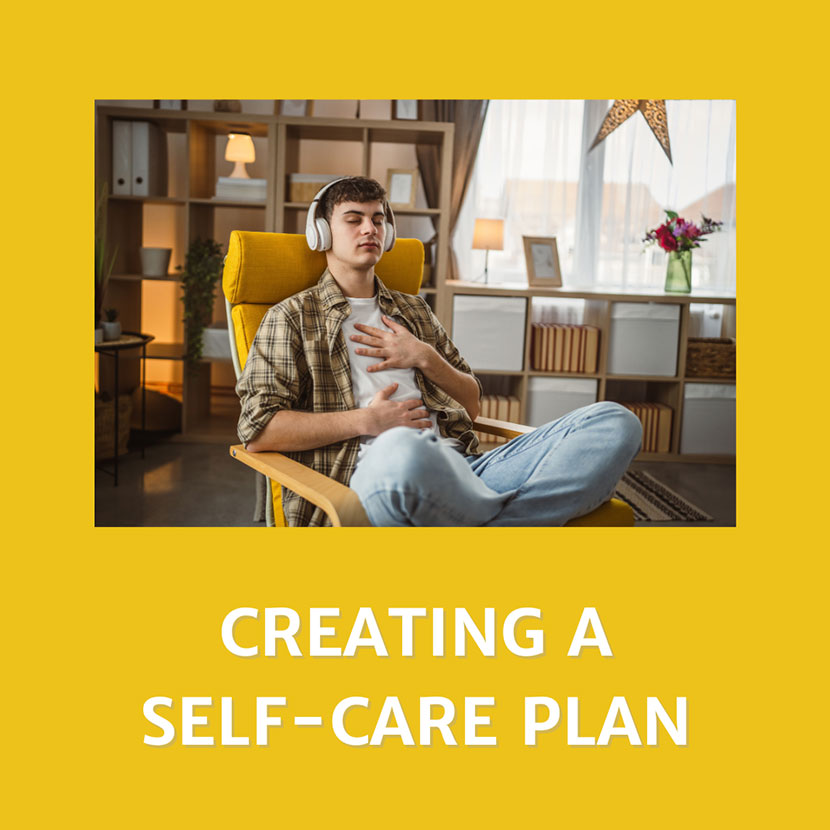
The start of a new year often comes with pressure to overhaul our lives with new routines, new habits, new expectations. But meaningful self-care isn’t about drastic change or perfection. It’s about creating sustainable practices that support your mental, emotional, and physical health over time.
At Mental Wellness Center, we encourage approaching the new year with compassion rather than criticism. A thoughtful self-care plan can help you feel more grounded, resilient, and supported, especially during times of stress, transition, or emotional fatigue.
Self-care looks different for everyone. The key is choosing habits that feel realistic, nourishing, and aligned with your needs.
What Does Self-Care Really Mean?
Self-care is often misunderstood as indulgence or escape. It includes the everyday actions we take to maintain balance, prevent burnout, and support our overall well-being.
Self-care may involve:
- Protecting your mental and emotional health
- Maintaining routines that support stability
- Addressing stress before it becomes overwhelming
- Seeking help when you need it
- Creating boundaries that protect your energy
A self-care plan helps turn intention into action.
Start With Small, Sustainable Goals
Rather than setting sweeping resolutions, focus on habits you can realistically maintain.
Ask yourself:
- What feels most depleted right now—sleep, energy, motivation, connection?
- What one small change would make my days feel more manageable?
- What support do I need to follow through?
Small, consistent habits create more lasting change than ambitious plans that quickly become overwhelming.
Protect Your Physical Health as a Foundation
Your mental and physical health are deeply connected. Supporting your body helps support your mind.
Consider:
- Getting regular preventive checkups
- Scheduling annual health screenings
- Staying hydrated and eating balanced meals
- Moving your body in ways that feel accessible and enjoyable
- Practicing good hand hygiene and illness prevention
Caring for your physical health reduces stress on your nervous system and builds resilience.
Use Reminders to Support Healthy Habits
Life is busy, and it’s easy to forget self-care when responsibilities pile up.
Helpful reminders might include:
- Bedtime or wind-down reminders
- Hourly prompts to stand, stretch, or breathe
- Calendar reminders for appointments or refills
- Weekly reminders to check in with yourself emotionally
Think of reminders as support tools—not obligations.
Create a Consistent Sleep Routine
Sleep is one of the most powerful forms of self-care, yet one of the most overlooked.
To support better sleep:
- Aim for at least seven hours of rest
- Create a calming bedtime routine
- Limit screen use before bed
- Keep your bedroom dark, quiet, and comfortable
- Go to sleep and wake up at consistent times when possible
Quality sleep improves mood regulation, focus, and stress tolerance.
Nourish Yourself with Intention
Food is not just fuel—it’s part of emotional well-being.
Helpful approaches include:
- Preparing meals at home when possible
- Planning simple, balanced meals and snacks
- Reducing reliance on highly processed foods
- Keeping healthy options accessible
- Avoiding all-or-nothing thinking around food
Self-care is about nourishment, not restriction.
Stay Up to Date on Preventive Care
Preventive health care is a form of self-respect and long-term self-care.
Talk with your primary care provider about:
- Annual checkups
- Vaccinations recommended for your age and health needs
- Managing chronic conditions
- Mental health screenings
Staying current helps prevent larger issues down the road.
Prioritize Mental and Emotional Well-Being
A self-care plan should include emotional support—not just physical habits.
This may include:
- Therapy or counseling
- Support groups
- Journaling or reflection
- Mindfulness or grounding practices
- Setting boundaries around work, family, or social obligations
- Connecting with supportive people
If stress, sadness, or anxiety feel persistent, professional support can help.
Build Self-Care Into Everyday Life
Self-care doesn’t require extra time—it can be woven into daily routines.
Simple examples:
- Taking the stairs or parking farther away
- Going for short walks
- Scheduling walking meetings
- Taking brief screen breaks
- Spending time outdoors
- Saying no when needed
The goal is consistency, not intensity.
Give Yourself Permission to Adjust
Your needs will change throughout the year—and that’s okay.
A self-care plan should be flexible. If something stops working, you’re allowed to adjust without judgment. Progress isn’t linear and caring for yourself is an ongoing practice.
Local Santa Barbara Support Resources
Mental Wellness Center – Santa Barbara
Mental health education, peer support, family programs, and community resources
https://mentalwellnesscenter.org
Family Service Agency of Santa Barbara County
Counseling, crisis support, and family services
https://fsacares.org
Santa Barbara County Department of Behavioral Wellness
Mental health and substance use services
24/7 Access Line: 1-888-868-1649
https://www.countyofsb.org/behavioral-wellness
Cottage Health – Psychiatry & Mental Health Services
Inpatient and outpatient behavioral health care
https://www.cottagehealth.org/services/psychiatry/
National Mental Health Support Resources
988 Suicide & Crisis Lifeline
Call or text 988 for immediate emotional support
https://988lifeline.org
National Alliance on Mental Illness (NAMI)
Education, support groups, and mental health resources
1-800-950-NAMI
https://nami.org
SAMHSA Treatment Services Locator
Find mental health and substance use support nationwide
https://findtreatment.samhsa.gov
Crisis Text Line
Text HOME to 741741 for immediate support