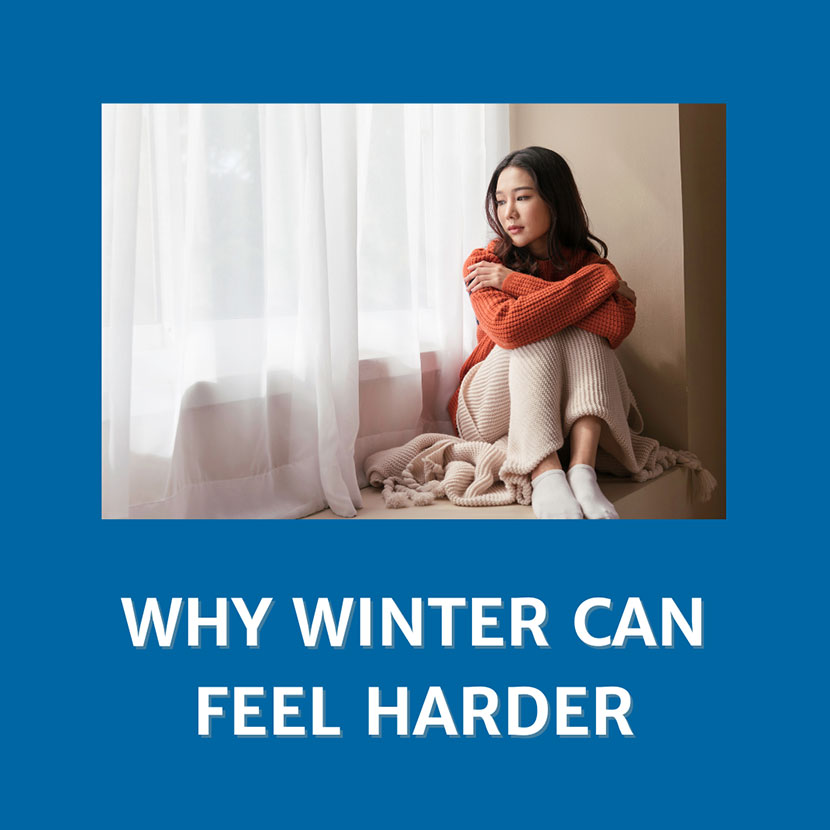
For many people, winter doesn’t just bring colder temperatures and shorter days—it brings a noticeable shift in mood, energy, and motivation. While it’s common to feel a little less energized during the winter months, some people experience deeper and more persistent emotional changes that interfere with daily life.
Seasonal depression, sometimes referred to as major depressive disorder with a seasonal pattern, is most common in winter and is linked to reduced sunlight, changes in routine, and increased isolation. Even individuals who don’t meet clinical criteria for depression may notice heightened sadness, fatigue, or emotional heaviness during this time of year.
Understanding why winter can feel harder is an important first step toward finding relief and support.
Why Winter Affects Mental Health
Several biological, psychological, and social factors combine during winter months to impact mood:
- Reduced Sunlight
- Shorter days and less exposure to natural light can disrupt the body’s internal clock (circadian rhythm). This affects sleep patterns and can interfere with serotonin production, a neurotransmitter closely tied to mood regulation.
- Changes in Routine
- Colder weather often means less time outdoors, fewer social interactions, and disrupted exercise routines—all of which play a role in emotional well-being.
- Increased Isolation
- Winter holidays can amplify feelings of loneliness, especially for individuals who are grieving, living far from family, or struggling with mental health challenges. Isolation is a known risk factor for depression.
- Holiday Pressure and Emotional Stress
- Expectations around family, finances, and “feeling festive” can create emotional strain. When reality doesn’t match those expectations, feelings of guilt or sadness may intensify.
Common Signs of Seasonal Depression
Seasonal depression can look different for everyone, but common signs include:
- Persistent sadness or low mood
- Loss of interest in activities once enjoyed
- Fatigue or low energy
- Sleeping more than usual or difficulty waking
- Changes in appetite, especially cravings for carbohydrates
- Difficulty concentrating
- Withdrawal from friends or activities
- Feelings of hopelessness or worthlessness
If symptoms last more than two weeks or interfere with daily life, professional support may be helpful.
Ways to Support Your Mental Health During Winter
While winter depression can feel overwhelming, small, consistent strategies can make a meaningful difference.
- Stay Connected
- Depression thrives in isolation. Maintaining connections—even brief ones—can help counter loneliness. Calling a friend, attending a support group, or participating in community activities can provide emotional grounding.
- Spend Time in Natural Light
- When possible, get outside during daylight hours—even on cold days. A short walk, sitting near a sunny window, or opening curtains early in the day can help regulate mood and sleep.
- Move Your Body Gently
- Exercise doesn’t have to be intense. Stretching, walking, yoga, or light movement can boost mood and reduce stress.
- Practice Self-Compassion
- Winter can naturally slow us down. Be kind to yourself and adjust expectations. Rest, warmth, and downtime are not failures—they are forms of care.
- Express What You’re Feeling
- Journaling, creative outlets, or talking with someone you trust can help release internal stress. Writing thoughts down without judgment can be especially grounding during emotionally heavy periods.
- Nourish Your Body
- Regular meals, hydration, and balanced nutrition support emotional health. Winter dehydration and irregular eating can worsen fatigue and low mood.
- Engage in Meaningful Activities
- Volunteering, creative projects, or small daily rituals can provide a sense of purpose and connection during darker months.
When to Seek Additional Support
If winter-related sadness becomes persistent, intense, or begins to affect work, relationships, or daily functioning, reaching out for professional help is an important step. Support can include therapy, peer support, lifestyle adjustments, and—when appropriate—medical treatment.
You are not meant to navigate seasonal depression alone.
Local Santa Barbara Mental Health Support
Mental Wellness Center – Santa Barbara
Community education, peer support, youth and adult programs, family support
https://mentalwellnesscenter.org
Santa Barbara County Department of Behavioral Wellness
Mental health services, crisis intervention, and community programs
24/7 Access Line: 1-888-868-1649
https://www.countyofsb.org/behavioral-wellness
Family Service Agency of Santa Barbara County
Counseling, crisis services, and community support
https://fsacares.org
Cottage Health – Psychiatry & Mental Health Services
Inpatient and outpatient behavioral health care
https://www.cottagehealth.org/services/psychiatry/
National Mental Health Resources
988 Suicide & Crisis Lifeline
Call or text 988 for immediate emotional support
https://988lifeline.org
National Alliance on Mental Illness (NAMI)
Education, peer support groups, and helpline
1-800-950-NAMI
https://www.nami.org
SAMHSA Treatment Services Locator
Find mental health and substance use treatment nationwide
https://findtreatment.samhsa.gov
Crisis Text Line
Text HOME to 741741 for immediate support
You Don’t Have to Get Through Winter Alone
Seasonal depression is real, common, and treatable. With the right support, winter can become more manageable and even meaningful. If you or someone you care about is struggling, help is available.