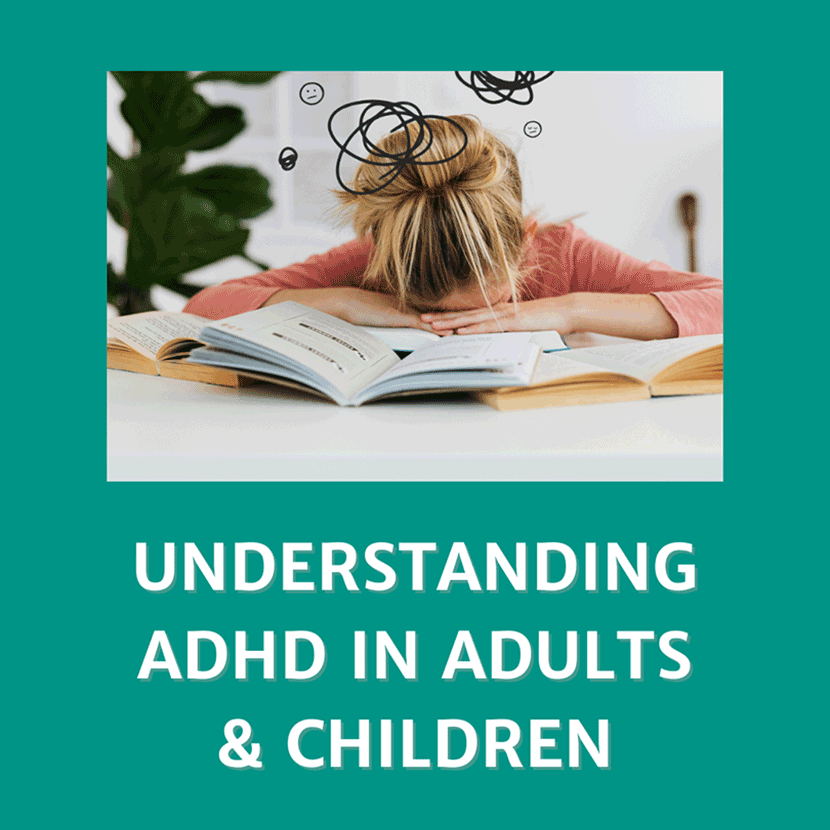
Attention-Deficit/Hyperactivity Disorder (ADHD) is one of the most common neurodevelopmental conditions, affecting millions of children and adults in the U.S. While it’s often identified in childhood, many people are not diagnosed until adulthood — after years of challenges with focus, organization, or emotional regulation.
Understanding ADHD across all ages helps reduce stigma and ensures that people can access the right care, education, and community support.
What Is ADHD?
ADHD is characterized by patterns of inattention, impulsivity, and hyperactivity that interfere with daily functioning.
It’s a brain-based condition — not a lack of discipline or motivation.
Common symptoms include:
- Difficulty focusing or following instructions
- Forgetfulness or disorganization
- Restlessness or impulsivity
- Struggles with time management
- Emotional sensitivity or low frustration tolerance
Because symptoms vary widely, ADHD may look different from person to person — and from childhood to adulthood.
ADHD in Children
Children with ADHD may have trouble sitting still, staying focused in class, or completing tasks.
These behaviors can lead to frustration at school or at home if misunderstood.
- Supportive strategies for children:
- Create predictable routines and structure
- Break large tasks into smaller, clear steps
- Offer positive reinforcement and encouragement
- Collaborate with teachers on learning accommodations
Early intervention helps children build confidence, emotional regulation, and healthy coping skills.
For more information about local support programs, visit Mental Health Conditions – ADHD.
ADHD in Adults
Adults with ADHD often experience challenges that impact work, relationships, and self-esteem. Common struggles include missed deadlines, procrastination, impulsive spending, or difficulty maintaining attention in conversations.
Helpful tools and treatments:
- Cognitive Behavioral Therapy (CBT) for focus and self-management
- Medication to regulate attention and reduce impulsivity
- Coaching and structured daily routines
- Mindfulness, sleep, and exercise for stress regulation
Recognizing ADHD in adulthood can be life-changing. With proper diagnosis and treatment, adults can learn strategies that transform how they manage time, emotions, and priorities.
How Mental Wellness Center Supports Individuals and Families
Mental Wellness Center in Santa Barbara provides education, peer support, and community connection for those affected by ADHD and other mental health conditions.
Explore additional local education opportunities and community programs on our Community Education Programs page, designed to promote understanding and reduce stigma around mental health challenges.
Other resources:
- Anxiety
- Learn how anxiety can overlap with ADHD symptoms.
- Depression
- Explore emotional health support for co-occurring conditions.
- ADHD
- Learn more about ADHD signs, diagnosis, and treatment options.
Local and National Resources for Bullying Prevention and Support
Local (Santa Barbara & California)
- Mental Wellness Center
- https://mentalwellnesscenter.org
- 617 Garden Street, Santa Barbara, CA 93101
- Phone: (805) 884-8440
- Education, peer support, and community resources for ADHD and mental wellness.
- https://mentalwellnesscenter.org
- Mindpath Health – Santa Barbara
- https://www.mindpath.com/locations/santa-barbara/
- 120 S. Patterson Avenue, Suite 230, Santa Barbara, CA 93111
- Phone: (855) 427-2778
- Offers psychiatry, therapy, and evidence-based treatment for ADHD and related conditions.
- CALM (Child Abuse Listening Mediation)
- https://calm4kids.org
- Provides therapy and behavioral support services for children and families in Santa Barbara County.
- Family Service Agency of Santa Barbara County
- https://fsacares.org
- Delivers affordable counseling, youth programs, and family mental health support.
- Santa Barbara County Department of Behavioral Wellness
- https://www.countyofsb.org/behavioral-wellness
- Community-based treatment and resources for behavioral and mental health needs.
National ADHD Resources
- CHADD (Children and Adults with Attention-Deficit/Hyperactivity Disorder)
- https://chadd.org
- Leading national organization providing education, advocacy, and support groups for ADHD.
- ADDA (Attention Deficit Disorder Association)
- https://add.org
- Focused on adult ADHD awareness and peer connection through online programs.
- National Institute of Mental Health (NIMH) – ADHD
- https://www.nimh.nih.gov/health/topics/attention-deficit-hyperactivity-disorder-adhd
- Reliable information on ADHD research, treatment, and clinical trials.
- CDC ADHD Resource Center
- https://www.cdc.gov/ncbddd/adhd/
- Public health information and educational resources for families and educators.
- Understood.org
- https://www.understood.org
- Resources for parents, caregivers, and adults with learning and attention challenges.