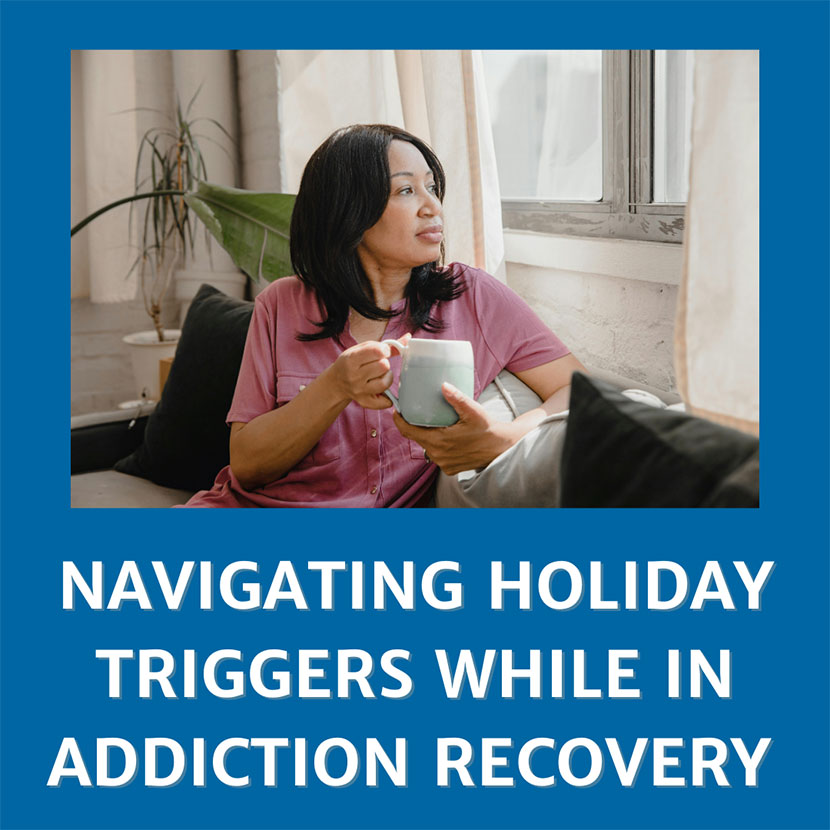
The holiday season brings joy, celebration, and togetherness—but it can also be one of the most challenging times of the year for individuals in addiction recovery. Family tensions, financial pressures, travel, disrupted routines, grief, loneliness, and environments where alcohol or other substances are present can all increase vulnerability.
If you or a loved one is navigating recovery from a substance use disorder, it’s important to recognize that holiday triggers are common and manageable with the right preparation. Many people also experience heightened sadness or seasonal emotional shifts during the holidays, which may be connected to depression which is another factor that can amplify relapse risk if left unaddressed.
With the right strategies and support, it is absolutely possible to stay grounded, connected, and strong through the season.
Why Holidays Can Be Triggering in Recovery
The holidays can intensify emotional and environmental triggers that challenge sobriety, such as:
- Gatherings where alcohol is present
- Family conflict, unresolved trauma, or strained relationships
- Pressure to “keep up appearances”
- Social expectations around drinking
- Grief or loneliness
- Disrupted routines and support systems
- Travel or financial stress
- Seasonal depression or emotional volatility
Understanding why the holidays feel triggering helps increase awareness—and awareness is the first line of defense against relapse.
1. Name Your Personal Holiday Triggers
Everyone’s triggers look different. For some, it may be a particular family member, place, or conversation. For others, it may be grief, isolation, or expectations to drink in social settings.
Take time to reflect on:
- Which situations made past holidays difficult
- People or dynamics that create stress
- Emotional states that increase vulnerability
- Environments where substances are present
- Times of day or events that feel unstable
Writing these down can make them easier to anticipate and manage.
2. Create a Holiday Relapse Prevention Plan
A personalized plan helps you stay grounded and empowered before triggers arise. Your plan may include:
- An accountability partner you can text or call
- A list of coping strategies (breathing, grounding, walking, stepping outside)
- Scripts for declining alcohol or leaving uncomfortable situations
- Transportation backup plans so you can exit early
- Boundaries around where you will and won’t go
- A schedule of support meetings, therapy sessions, or check-ins
A relapse prevention plan is not a sign of weakness—it’s a sign of preparation and strength.
3. Prepare for Social Events Where Alcohol Is Present
Holiday gatherings often revolve around drinks, and that can be difficult when you’re maintaining sobriety. Consider:
- Bringing your own non-alcoholic beverage
- Staying near supportive friends or family
- Having a verbal or text-based “escape plan”
- Standing near exits or outdoor spaces to take breaks
- Leaving events early if needed
You do not have to justify your abstinence. A simple “No, thank you” is enough.
4. Protect Your Emotional Health—Especially If You Experience Depression
Emotional triggers can be just as powerful as environmental ones. Holidays often stir up:
- Grief for lost loved ones
- Loneliness despite being surrounded by people
- Seasonal depression
- Old family patterns
- Shame or guilt about past behaviors
If you are living with symptoms of depression such as low mood, loss of pleasure, fatigue, or hopelessness—these feelings may increase during the holidays and affect recovery. Seeking support early can reduce emotional overwhelm.
5. Maintain Your Routines and Structure
Recovery thrives on consistency. The holiday season often disrupts sleep, meals, self-care, and daily rhythms.
To maintain stability:
- Keep regular sleep and wake times
- Eat balanced meals and hydrate
- Maintain therapy appointments
- Continue attending recovery meetings
- Stick to meaningful rituals like journaling, prayer, meditation, or exercise
Structure builds emotional resilience.
6. Practice Healthy Boundaries with Family and Friends
Some gatherings are beneficial. Others may be draining or destabilizing. Boundaries help you prioritize your recovery.
It is completely valid to:
- Decline invitations
- Limit your time in triggering environments
- Leave early
- Stay at a hotel instead of a family home
- Spend holidays with “chosen family” instead of relatives
You are not obligated to sacrifice your sobriety for the comfort of others.
7. Stay Connected to Your Support System
Community is one of the strongest protective factors in recovery. During the holidays:
- Schedule phone or text check-ins
- Ask someone to be your accountability contact
- Attend extra support meetings if helpful
- Reach out when you feel overwhelmed
- Avoid isolation, even if only virtually
You do not need to navigate holiday triggers alone.
Local Santa Barbara Resources for Addiction Recovery
- Mental Wellness Center
-
- Mental health education, support groups, family programs, and community resources
- https://mentalwellnesscenter.org
-
- Santa Barbara County Department of Behavioral Wellness
- Substance use treatment, mental health services, crisis support
- 24/7 Access Line: 1-888-868-1649
- https://www.countyofsb.org/behavioral-wellness
- Cottage Health – Alcohol & Drug Treatment Center
- Medical detox, inpatient programs, outpatient therapy
- https://www.cottagehealth.org/services/psychiatry
- Good Samaritan Shelter – Santa Barbara
- Residential recovery, outpatient services, sober living
- https://www.goodsamaritanshelter.org
National Addiction Recovery Support Resources
- SAMHSA National Helpline
- Free, confidential treatment referral and support
- 1-800-662-HELP (4357)
- https://www.samhsa.gov
- 988 Suicide & Crisis Lifeline
- Support for emotional distress, crisis, or suicidal thoughts
- Call or text 988
- https://988lifeline.org
- Alcoholics Anonymous (AA)
- 12-step meetings nationwide and online
- https://www.aa.org
- Narcotics Anonymous (NA)
- Meetings for individuals in recovery from drug use
- https://www.na.org
- SMART Recovery
- Science-based addiction recovery meetings
- https://www.smartrecovery.org
- Al-Anon & Alateen
- Support for families affected by someone’s drinking
- https://al-anon.org